
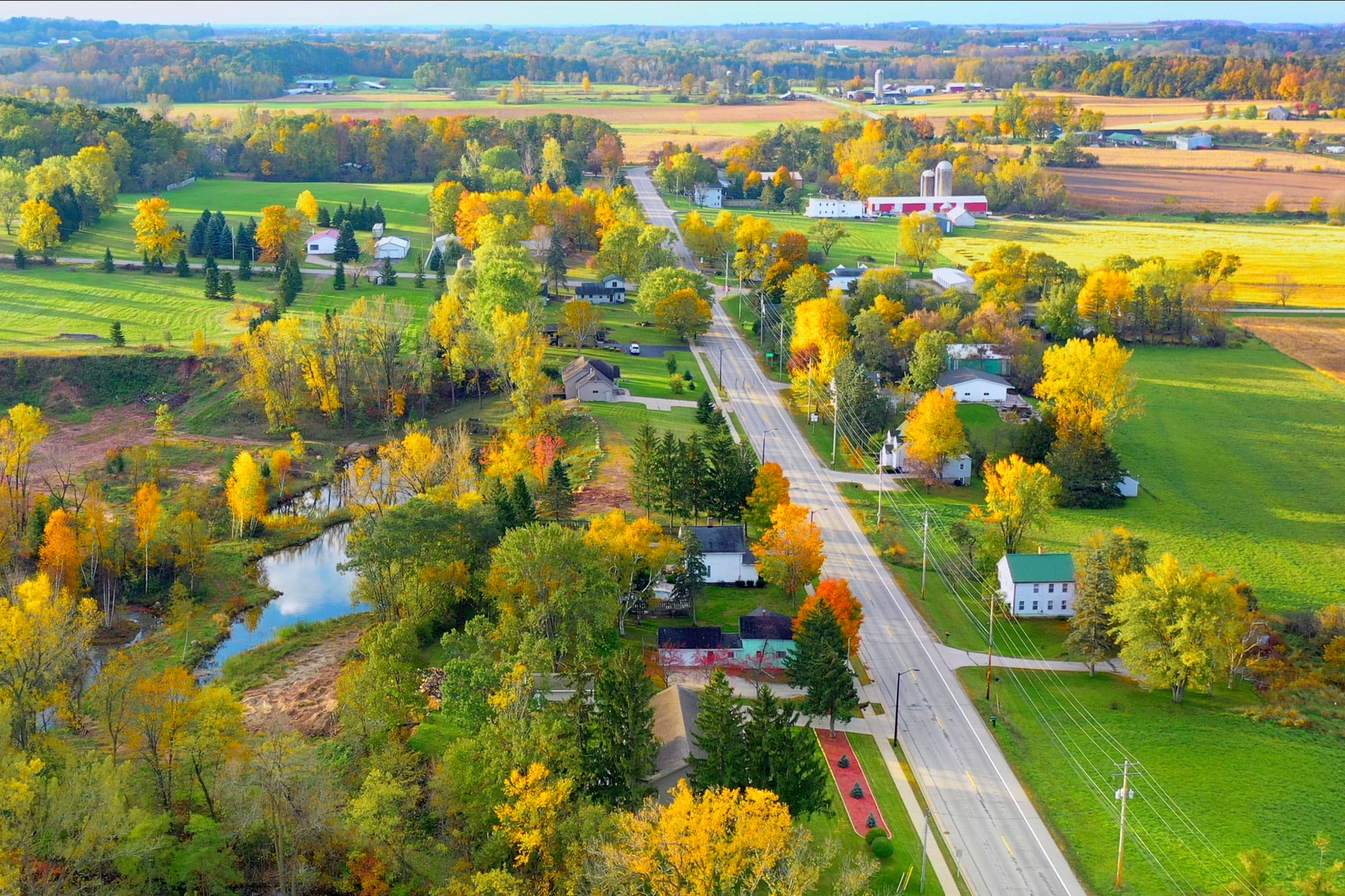
Tips for navigating college as a rural student
Students from rural communities and small towns can bring a rich set of strengths and perspectives to college — from leadership experience and resourcefulness to a deep sense of community — but they may also face unique logistical and cultural challenges. Not only do such barriers impact individual students, but they also affect college attendance rates.
A 2024 Wisconsin State Journal article reports a 14% drop in college attendance statewide since 2019, with rural student enrollment shrinking beyond what population shifts explain. In many rural counties, fewer than 1 in 5 adults hold a bachelor’s degree.
Christine Cina
I experienced my own rewards and struggles as a college student after graduating from my rural Wisconsin high school back in the late ‘80s. Today, as a part-time college instructor and academic advisor, I continue to see barriers to higher education for students from small towns. Distance, limited transportation, financial aid confusion and personal responsibilities — especially for adult learners — often stand in the way of college attendance. Once enrolled, these students can find themselves overwhelmed by the campus environment, rigorous academics and where to find help.
Times have changed since I began my college journey, and there are now more resources available than ever before to help students succeed. Here are just a few of my recommendations for navigating college as a rural student.

Find an advocate. My parents didn’t attend college, so when my initial college plan fell through at the last moment, it was my aunt who encouraged me to enroll at a nearby two-year UW campus. Seek out those who have attended college in your local community to help you think about your options and make connections, or reach out to an admissions counselor or advisor at the college or university you’re considering. They are there to answer your questions, even if you haven’t started the enrollment process.

Start local — or online. Jumping from a small town to a large university doesn’t work for everyone. Starting at a small regional campus was a great option for me: I lived at home, earned college credits and met new people. This experience gave me the confidence to transfer to UW–Madison the following year. You may also consider enrolling in online courses, a particularly great option for adult students who work or have other responsibilities.

Visit the campus. Before I enrolled at UW–Madison, I visited the campus on the weekends. It was a great way to figure out logistics, such as parking, bus routes and building locations. It also helped me feel more comfortable when I eventually enrolled. Even if you attend college entirely online, visit the campus at least once to meet with your advisor or professors and get a feel for your school.

Seek out dedicated resources. Many colleges offer programs for rural or transfer students. At UW–Madison, for example, we have a dedicated registration session for transfer students and the College for Rural Wisconsin, which provides resources to rural and small-town students. Your college might offer similar resources for rural students, including affinity groups, clubs or alumni connections.
Rural students often navigate the college journey with particular resilience. I didn’t have all the answers, but with support and persistence, I found my way. I now encourage my students to do the same. Whether you’re just starting out or already enrolled, know that you belong — and that help is available.
The Lifelong Learner is a monthly feature written by UW–Madison Division of Continuing Studies staff. Christine Cina, academic advising manager, can be reached at ccina@wisc.edu. Co-author Jill Schaefer can be reached at jill.schaefer@wisc.edu.
This article first appeared in the Wisconsin State Journal on July 13, 2025.
Published on Jul 14 2025
Last Updated on Dec 05 2025
Categories: Adult Career and Special Student Services, News
Tags: access, education planning, Lifelong Learner column, resources and tips